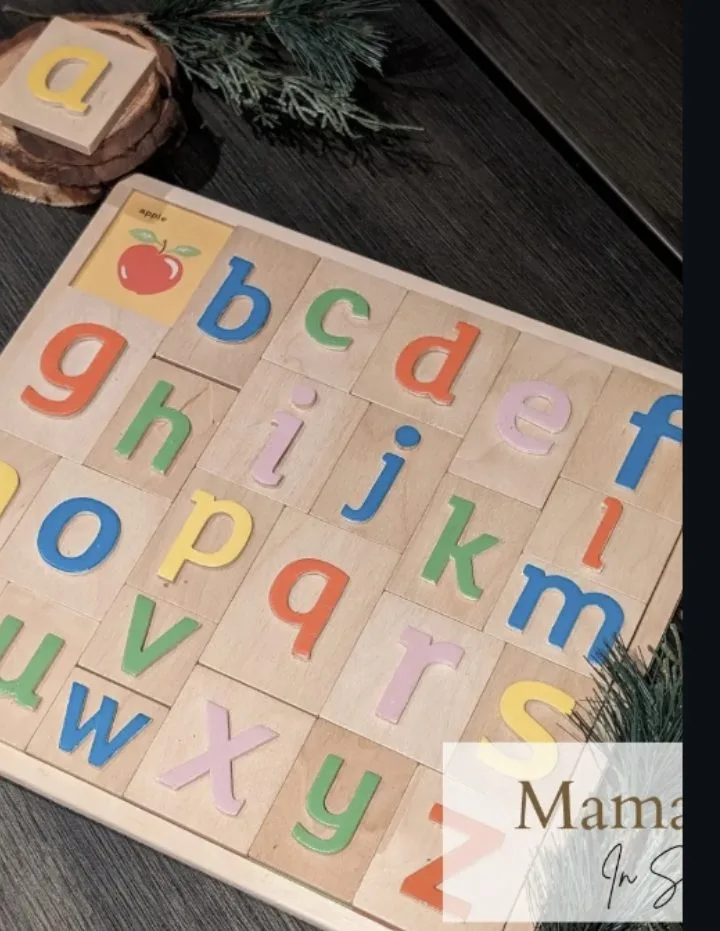

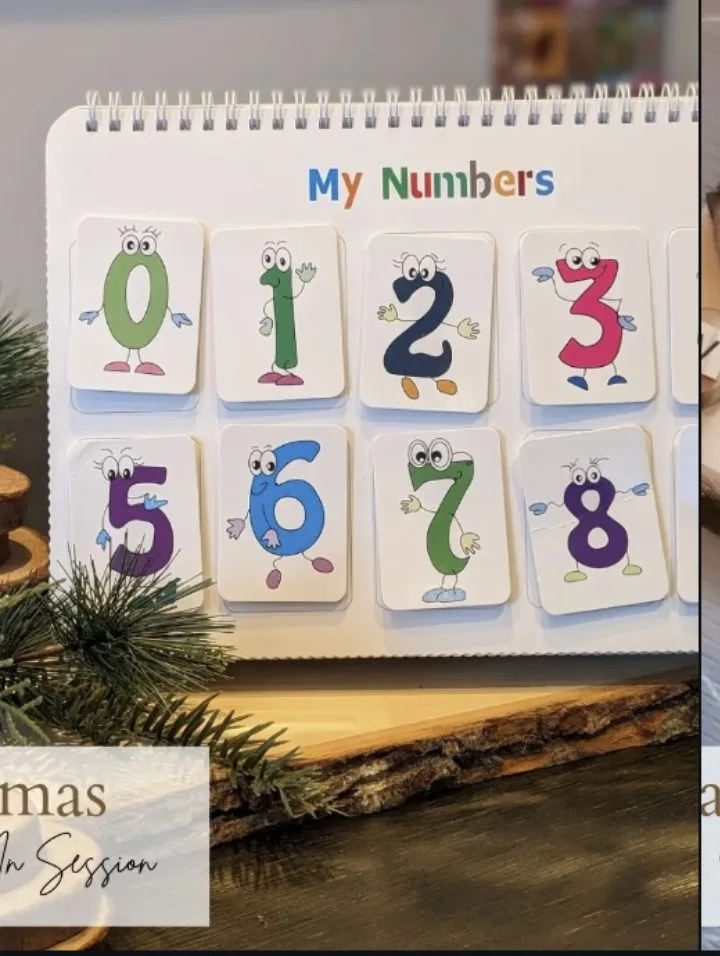
The first morning I ever taught my oldest, I had three sharpened pencils in a mason jar and no idea what I was doing. I said, "Okay, buddy, sit down, it's time for school," and he sat, and he looked at me, and I realized I had not decided what the next sentence was. We did a letter page. It took four minutes. Then he asked if it was over, and I said yes, because it was, and I spent the rest of the day wondering if I had ruined him.
He was not ruined. He is five now and reads street signs out loud from the back seat. But I remember that blank feeling, standing at my own table with a child looking up at me, and I want to hand you something better than I had. So here is the actual first week. Not a philosophy. A week.
Three things to do before Monday
You do not need a curriculum yet, and you do not need a room. You need three small decisions made in advance so you are not making them while a five-year-old watches your face.
Decide the time, not the schedule. Pick one window, twenty minutes long, that already exists in your day. Ours is right after breakfast, once the kitchen is tidy and we walk down to the classroom together. If you pick a time that requires you to become a different woman, you will lose it by Thursday.
Decide where he sits. One chair, the same chair, every day. For two years we did this at the kitchen table, and I put my son on the side of the table with the wall behind him so he was not facing the window and the driveway. You do not need a schoolroom, though if you like thinking about the physical setup, I wrote about how we arranged our homeschool classroom and what we never used.
Find out what your state asks of you. Requirements vary quite a bit from state to state, and some want notification at a certain age while others want almost nothing yet. I keep the state law links and the curriculum we actually trust in one place so you are not searching at eleven at night.
The first week, day by day
Every day is the same three parts: something short with God, something short with letters or numbers, something long and loud outside. That is it. Twenty minutes at the table, total, for a five-year-old who has never sat for lessons before.
Monday: teach the sitting, not the subject
Your goal on Monday is not academic. It is that your child learns what "table time" means. Light says it better than I can: I read one verse, we say one line back, then I set out one page.
Here is my script, word for word, because I needed one: "We are going to do school at this table. It is short. When the page is done, we are done, and then we go outside." Then do the page with him, not at him. Your hand next to his hand. When it is finished, say, "That was school. You did it." And stop, even if he wants more. Especially if he wants more. Ending while he still wants it is the whole trick.
Tuesday: add one narration question
Same time, same chair, same order. After the page, ask one question and let him talk: "Tell me what we just did." Do not correct the grammar. Do not finish his sentence. You are teaching him that his own words count as schoolwork, and they do.
Wednesday: let him pick the subject
Midweek is when I lose them, so Wednesday I hand over the choosing. "Do you want letters or numbers today?" Two options, both fine. A five-year-old who chooses will sit twice as long as one who is assigned.
Thursday: one page that feels like the big kids' work
This is the day to put something on the table that feels important. Mine loved maps before he loved letters, so we did the first week of our 50 States pages, New Jersey and Pennsylvania, with the state facts, the flags to color and both states to find on the map. He colored New Jersey orange and told his father at dinner that he had done geography. Every page in the worksheet shop is one sheet on letter paper, so nothing takes over your morning. They run $4.00, or $2.00 if you have joined.
Friday: read and go
Friday we do no pages at all. We read two picture books in the reading nook under the warm lamp and then we are outside by nine thirty. Friday exists so that Monday is not the hundredth day in a row of the same thing, and so that you have a morning off inside your own week.
What to skip in week one
Skip buying a boxed curriculum. Skip a laminator. Skip comparing your Tuesday to someone's whole year. Skip handwriting perfection, because a five-year-old's grip is still forming and pushing it makes the table feel like a fight. And skip the part where you decide by Wednesday whether you are any good at this. You are learning a child, and that takes longer than five days.
What I would not skip is other women. When my five-year-old was crying about a "b," I needed one person to tell me that was a normal Tuesday. That is why joining costs nothing, now or ever, and why members get half off every worksheet plus the weekly rhythm chart, the morning basket guide and the nature-walk list. It is also why there is a quiet, moderated forum with a room just for the hard days. Come say it out loud there.
If you are still deciding whether to do this at all, I put down the honest version of why we chose this and the questions I get asked most, and you can read a little about me and my two boys so you know exactly who is talking to you. I am a mother teaching in a small classroom at home, not an expert. A faith-rooted full-year Kindergarten curriculum, Guiding Lights, is coming, and Kindergarten comes first.
Your first week does not have to be perfect. Ours was four minutes long, and it was enough. But the teaching is not something you have to already be good at. It is something you are given, day by day, at the same small table.