

Last Tuesday I had four curriculum tabs open on my laptop at 6:40 in the morning, a cup of coffee going cold beside me, and a five year old at my elbow asking if we could have toast. One tab was a scope and sequence chart with seventeen rows. One was a boxed set that cost more than our grocery budget. One was a forum thread where a woman said if you do not start Latin roots in kindergarten you will regret it. I closed the laptop. I made the toast. And I sat there feeling like I had already failed a school year that had not started.
If that is where you are tonight, with a cart full of samples and a knot in your stomach, I want to say the thing nobody said to me: you do not need a curriculum yet. Not this week. Possibly not this year, depending on how old your little one is. What you need is your kitchen table, a handful of minutes and the courage to begin small.
What a curriculum actually is, and what it is not
A curriculum is somebody else's plan. That is all. It is a good and useful thing, a wise woman's map of what to teach and in what order, and one day I expect you will want one. But a map is not the walking. And a map bought in a panic at midnight is usually a map of somebody else's country.
What a curriculum is not is permission. You do not need to purchase permission to teach your own child. You have been teaching him since he learned the word for spoon. You already taught him colors, and please, and how to be gentle with the cat. Nobody sent you a teacher's guide for that.
My boys are three and five. At three, the whole curriculum is talking, playing, being read to and being outside. At five, we add a little letter work, a little number work and a lot of read-aloud. That is not me being casual. That is genuinely what the early years ask for.
What to do tomorrow morning instead
Here is what I would do if you woke up tomorrow with nothing bought and no plan. It takes about twenty-five minutes total and you can do it in your pajamas.
Set the table the night before
Clear one end of the kitchen table. Put out three things: a picture book, a basket or bowl of something countable (buttons, acorns, cereal), and a pencil with a piece of paper. That is your entire school setup. For two years we did this at the kitchen table, and it was enough. These days the boys and I begin at the big shared table in our homeschool room, with the same three things set out the night before. I write about this more in the post on setting up a homeschool space that fits your actual house, but the short version is that a cleared table with three good things on it is all you need to begin.
Then, in the morning
- Read one book aloud. Five to ten minutes. Any book. Let him turn the pages. This is your literacy program right now, and it is a very good one.
- Count something real. Dump the buttons out. Say, "Let's see how many we have." Count them together, slowly, touching each one. Then sort them: big ones here, little ones there. That is patterning, one-to-one correspondence and sorting, which is exactly what early math is.
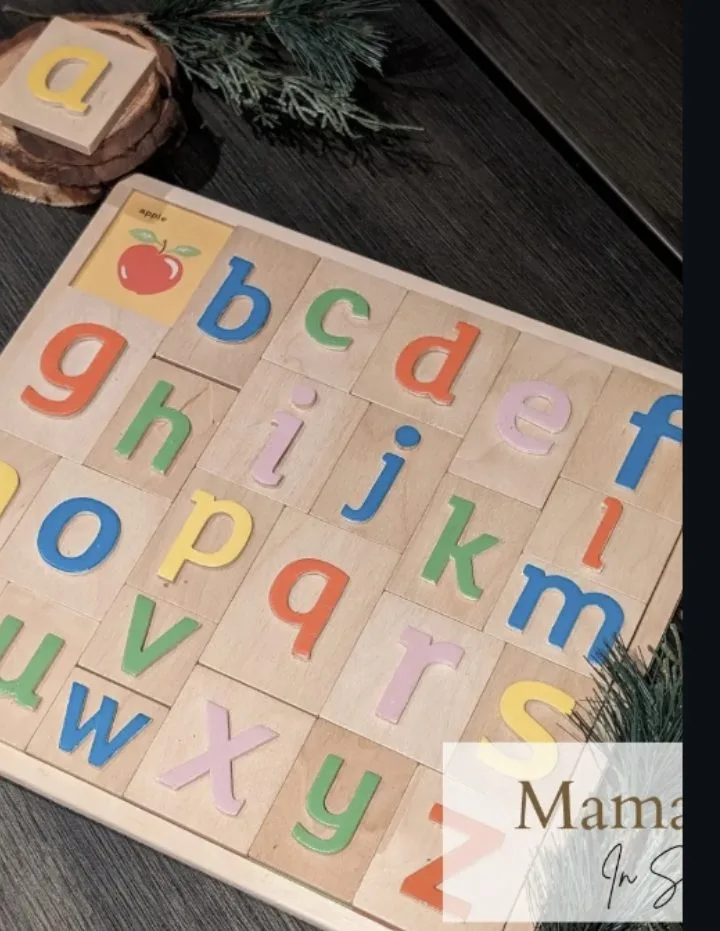
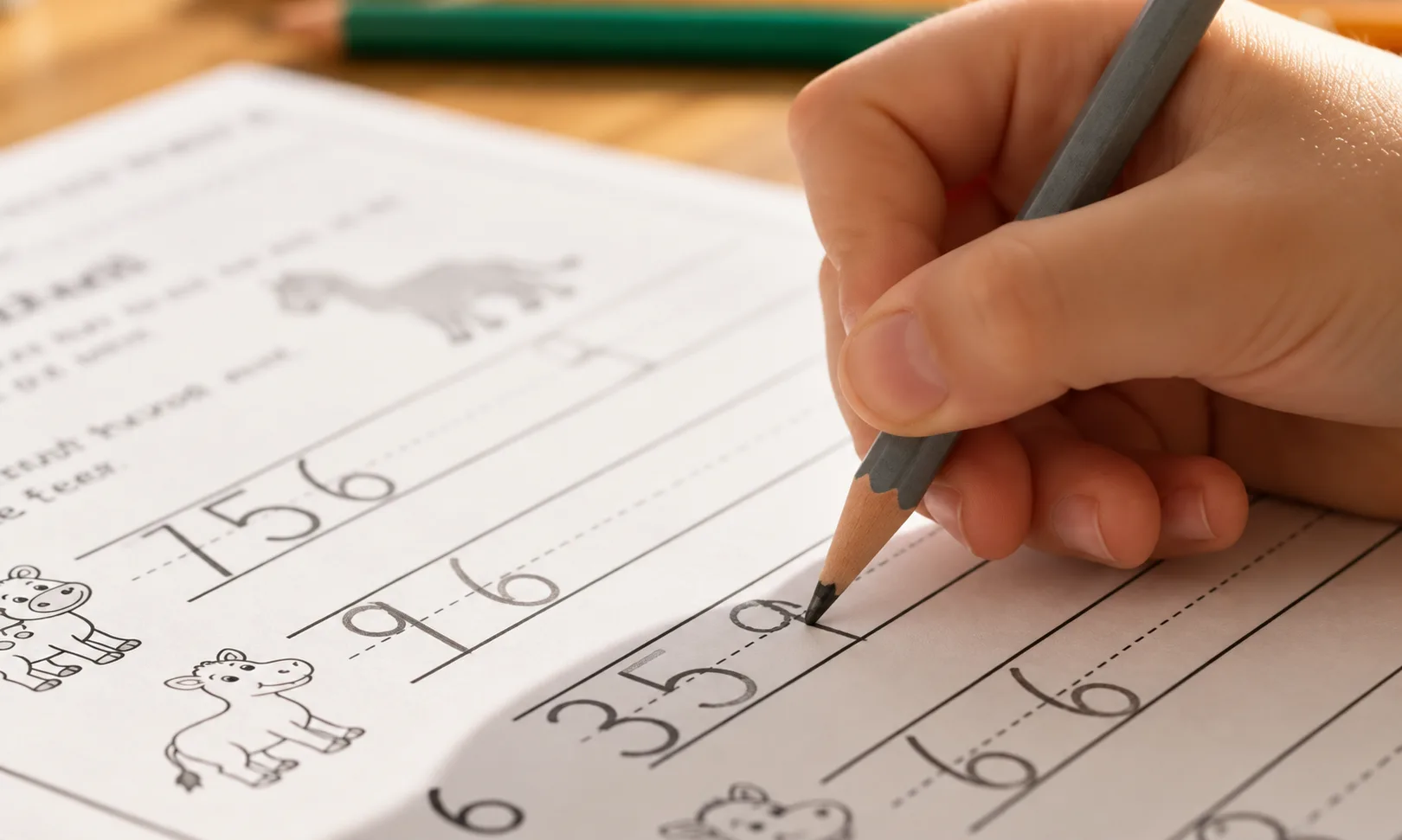
- Do one letter. Write it big on the paper. Say the sound, not the name. "This says buh. Buh, ball. Buh, bear." Ask him what else starts with buh. Accept wrong answers cheerfully.
- Go outside. Twenty minutes minimum. Name three things you see. That is your science.
- Pray together before you start. Ours is short enough that a three year old can say it: "Lord, thank you for today. Help us be kind and learn something good."
That is a complete homeschool morning for a preschooler. If you did that four days a week for a year, your child would be fine. Better than fine.
When you want something on paper
There are mornings when I do not have the bandwidth to invent an activity, and I want one page that tells us what to do. That is the entire reason I started making worksheets. Not a program, just one page, one sitting, done.
If you want to try that rhythm without committing to anything, the Letter B page is a good place to start with a four or five year old: a sound introduction, a find-and-circle, and tracing lines. For a child who is ready for numbers, the Woodland Math patterns and sorting page does the same buttons-in-a-bowl work I described above, just with a pencil in hand. Later, when your kindergartener starts asking real questions about the world, the history page on the first Americans and the states page on New York and Connecticut give you a read-aloud paragraph and a few discussion questions. Every page in the shop is one sheet, US letter, print it and be done.
They are four dollars each, or two if you have joined as a member, which is free and always will be. Membership also comes with a weekly rhythm chart, a morning basket guide and a nature-walk list, which honestly might be more useful to you right now than any worksheet.
On the fear underneath the tabs
I think the curriculum panic is usually not really about curriculum. It is the fear that you will be the reason your child falls behind. I have felt it at two in the morning. What steadied me was remembering that the work I was given is faithfulness, not guaranteed outcomes. "Whatever you do, work heartily, as for the Lord and not for men." Read the book. Count the buttons. Go outside. Do it again tomorrow.
Two practical things. First, check what your state actually requires, because the rules vary a great deal and some states ask nothing at all until age six or seven. I keep a page of state law links and the curriculum we do trust so you can look yours up rather than take a stranger's word for it. Second, if you are still wobbling on the why of all this, the case for homeschooling is where I laid out ours.
And if tonight is a hard night, come sit in the members' forum. There is a room for exactly this. I am there most evenings, usually after the boys are down, usually with reheated coffee. You can read more about me and our two boys if you want to know who is on the other end of it.
One day I will have a full year mapped out for you. Guiding Lights is coming, Kindergarten first, and it will be faith-rooted and gentle. But it is not here yet, and you do not need it yet, and there is real grace in the not-yet.