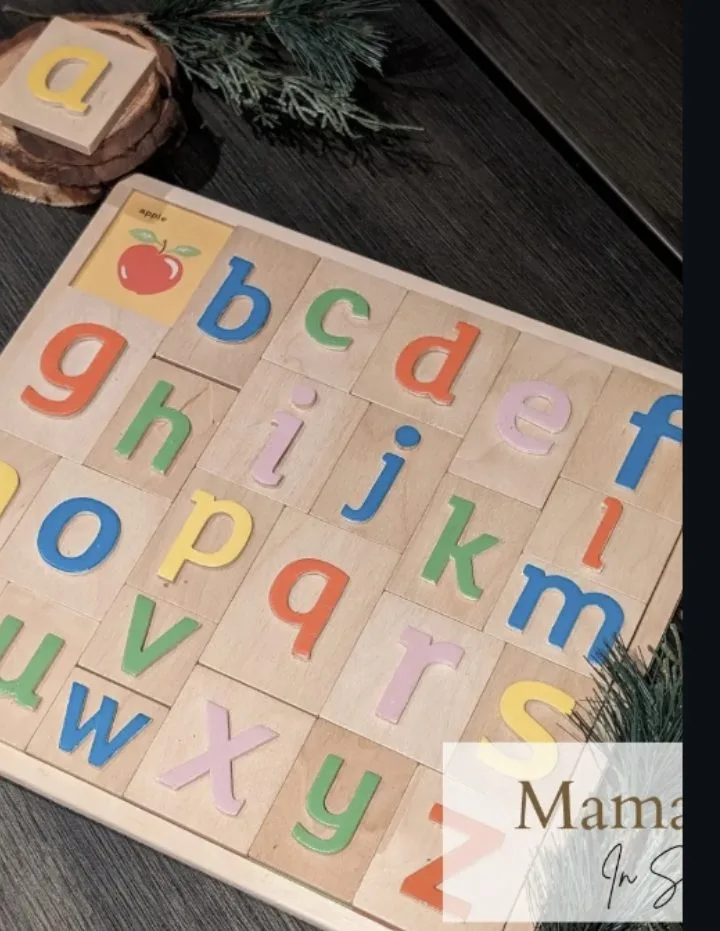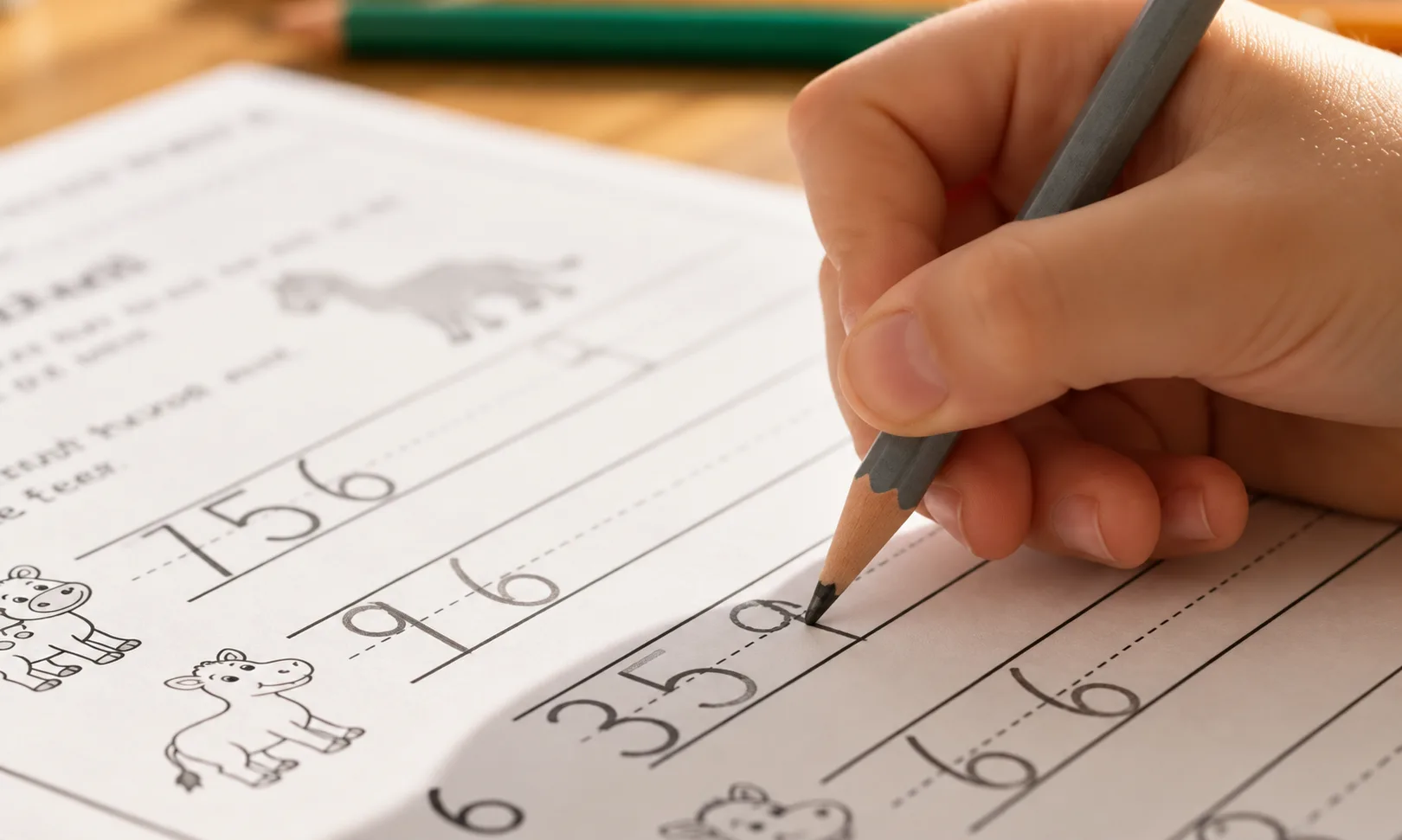

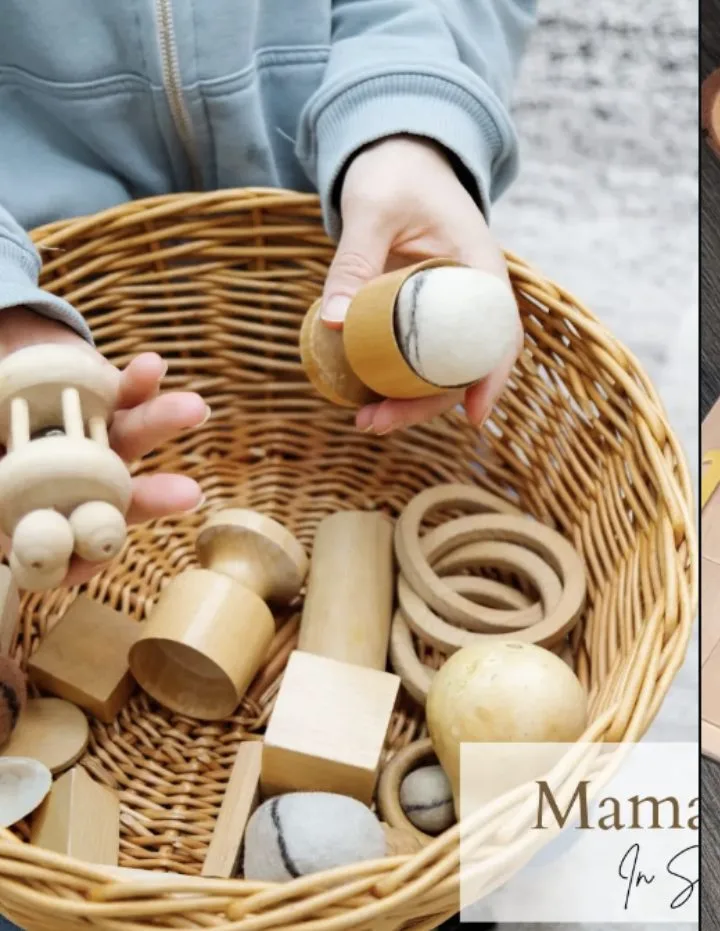
This morning the candle was lit, the verse was already chalked on the board, and my five-year-old was at the big table tracing his letters while his little brother sat in the reading nook deciding between two picture books. By twenty to ten we were finished with table work. Not rushed through it. Finished. And the whole day still lay ahead of us like a gift.
If you have ever worried that you are not doing enough school with your little one, I want to sit with you for a few minutes. I worried about it too. I am not a curriculum expert, and I will not pretend to be. But I have spent a few years now teaching two boys at home, and I have learned that a small child needs far less sitting-down school than I first thought, and far more of everything else.
The short answer we have landed on
For us, formal learning with my three-year-old is about ten to fifteen minutes in a day, usually broken into little pieces. With my five-year-old, it is closer to forty-five minutes, also in short stretches with movement in between. That is it. Some days it is less, and I have stopped apologizing for those days.
This is not a rule, and it is not a number anyone handed me. It is simply what I have watched work in our home. Every child is different, and you know yours. If you are teaching an older kindergartner or a first grader, your state may have its own expectations about hours or subjects, and those requirements vary widely. I keep a list of state homeschool laws and the resources we trust so you can check what applies where you live.
What our forty-five minutes actually looks like
Here is a typical morning in our homeschool classroom. The baskets in the cubbies are set up the night before, so nobody waits on me.
- Verse and date at the chalkboard, about 5 minutes. Both boys. We say the verse together and the five-year-old writes the number of the day.
- One worksheet or hands-on task, about 10 minutes. Right now that might be the pumpkin size sort cut-and-paste page, which my older son does on his own and my younger one does with the watercolor pumpkins, just lining them up biggest to smallest.
- A read-aloud in the nook, about 15 minutes. One soft chair, one warm lamp, both boys piled in.
- Reading or math practice for the five-year-old, about 10 to 15 minutes. His little brother builds or draws beside us, or wanders off to the nature shelf.
Then we are done at the table. Whatever they made gets clipped to the wall, and that small ceremony tells them the morning's work mattered.
The rest of the day is school too
When I first started, I thought the table was where learning happened and everything else was a break. Now I think nearly the reverse. My boys learn to count on the stairs. They learn patience waiting for bread to rise. They learn God's creation by being out in it.
Most afternoons we walk. This fall we have been taking the neighborhood fall scavenger hunt along on a clipboard, and my three-year-old, who would never sit for ten minutes of anything, will happily hunt for an acorn for half an hour. That is attention. It just does not look like a desk.
Play, chores, conversation at lunch, stories at bedtime. I have stopped counting any of it as time off.
How to know when to stop
This is the part I most wish someone had told me. You are allowed to stop while it is still going well. In fact, that is the best time to stop.
The signs are usually small: a pencil that starts drawing spirals instead of letters, a body that slides sideways off the stool, a question asked for the third time. When I see them, I say something like this:
"You did good work today. Let's stop while it's still fun, and we'll finish this tomorrow. Want to go find the basket for the walk?"
No sigh, no bargaining for one more line. I will be honest, there was a season I pushed through those signs, and those mornings ended with both of us tired and nobody learning much. Stopping early has given us far more good mornings than pushing ever did.
If you are teaching at the kitchen table
For two years we did all of this at the kitchen table, and it worked beautifully. A short day is actually easier there, because you are not trying to hold a room for hours. If that is where you teach, clear one end the night before, set out a single basket with only that morning's work in it, and leave everything else put away. When the forty-five minutes are over, the basket goes back on the shelf and the table becomes a table again.
If you are dreaming about a dedicated space someday, I wrote about how I designed our homeschool classroom and what I would do differently. But please hear me: the room is not what makes the day good. The rhythm is.
The day of small things
I think we worry about "enough" because we love our children and want to give them everything. But a three-year-old does not need everything today. He needs a mother who is unhurried, a story on her lap, a walk outside, and a few small minutes of learning that leave him wanting more.
If you would like a simple place to begin, joining is free and members get sixteen free printables, including a weekly rhythm chart and a morning basket guide, plus half off every worksheet in the shop. And if you want to talk through what your own day looks like, come find us in the members' forum. There is a room for your child's age, and a room for the hard days too.
Short days are not lesser days. They are the kind the Lord delights in when we give them to Him faithfully. "For who hath despised the day of small things?" (Zechariah 4:10)