
The muffin tin was already on the shared table when the boys came in, a small bowl of cereal beside it and the verse for the week written on the chalkboard. My five-year-old climbed onto his stool and said, "Are we eating math today?" Almost, I told him. We were going to count it first.
I love a lesson that starts with things we already own. Nothing to print, nothing to buy, and no big setup. If you have been wondering whether real learning has to come from a box or a binder, I promise a muffin tin can carry a whole morning's math for a three-year-old and a five-year-old at the same time.
What you carry in from the kitchen
I set this out the night before, in one basket, so the morning stays quiet. That is the whole secret to feeling unhurried: the room is ready before the boys are.
- A 12-cup muffin tin
- A bowl of round cereal, or raisins, for counting and for eating
- A wooden spoon or small scoop
- A second small bowl, for the "all done" pile
- A dry-erase marker or a bit of chalk, if you want to write numbers
I use cereal rather than dry beans because my three-year-old still tests everything with his mouth. Whatever you choose, pick something he is allowed to eat and you will not spend the lesson saying no.
The ten-minute lesson
Start with the hands, not the number
Put the bowl in the middle and let both boys scoop and pour for a minute. Do not teach yet. Little hands need to touch the material before the mind can use it. I say, "Fill up the cups however you like," and then I watch what they do. That watching tells me more than any assessment.
For the three-year-old: one cup, one piece
Ask him to put exactly one piece of cereal in each cup. This is one-to-one correspondence, which is just a fancy name for "one thing for one place." It is the root of counting, and it is a lot harder than it looks. If he drops three in a cup, smile and say, "Let's see if we can find a cup with none." Then he fixes it himself.
When the cups are full, touch each piece together and count out loud. If he only gets to four, that is a good morning. Four with his finger on every piece beats twelve recited from memory.
For the five-year-old: the same tin, a bigger question
Give him a job with a number in it. "Put two in the first cup, three in the second, four in the third. What do you notice?" He will see the pattern before you say it. Then ask, "How many do we have in all?" and let him count it however he wants. Later you can ask which cup has more, which has fewer, and how many more.
If he is ready, split the tin in half with a line of chalk or a strip of paper and ask, "Can we put the same number on both sides?" That is the beginning of sharing and of even and odd, and he will think it is a game.
What I actually say
I keep my words small and my questions open. These are the three I reach for most:
"Show me." Instead of asking for an answer, ask him to show you with the cereal.
"How do you know?" Say it gently, with real curiosity, and let a five-year-old explain in his own clumsy words.
"Let's check together." When something is off, we count again side by side. Nobody is in trouble. Counting twice is just what careful people do.
At the end, the boys get to eat what they counted. I tell them, "Taste and see." It is a small way to let our table of math end in thankfulness, and my five-year-old now says it before the first bite without being asked.
When you want something on paper
Some days a boy wants to hold a pencil or cut and paste, and that is lovely too. After a muffin tin morning, the Pumpkin Size Sort cut and paste page is a natural next step for a preschooler, since he has just spent ten minutes thinking about more, less and in order. It is a print-at-home PDF, so you can run it that same afternoon. You can see everything else we offer in the worksheet shop, and every page is half price when you join free as a member.
If you are teaching at your kitchen table
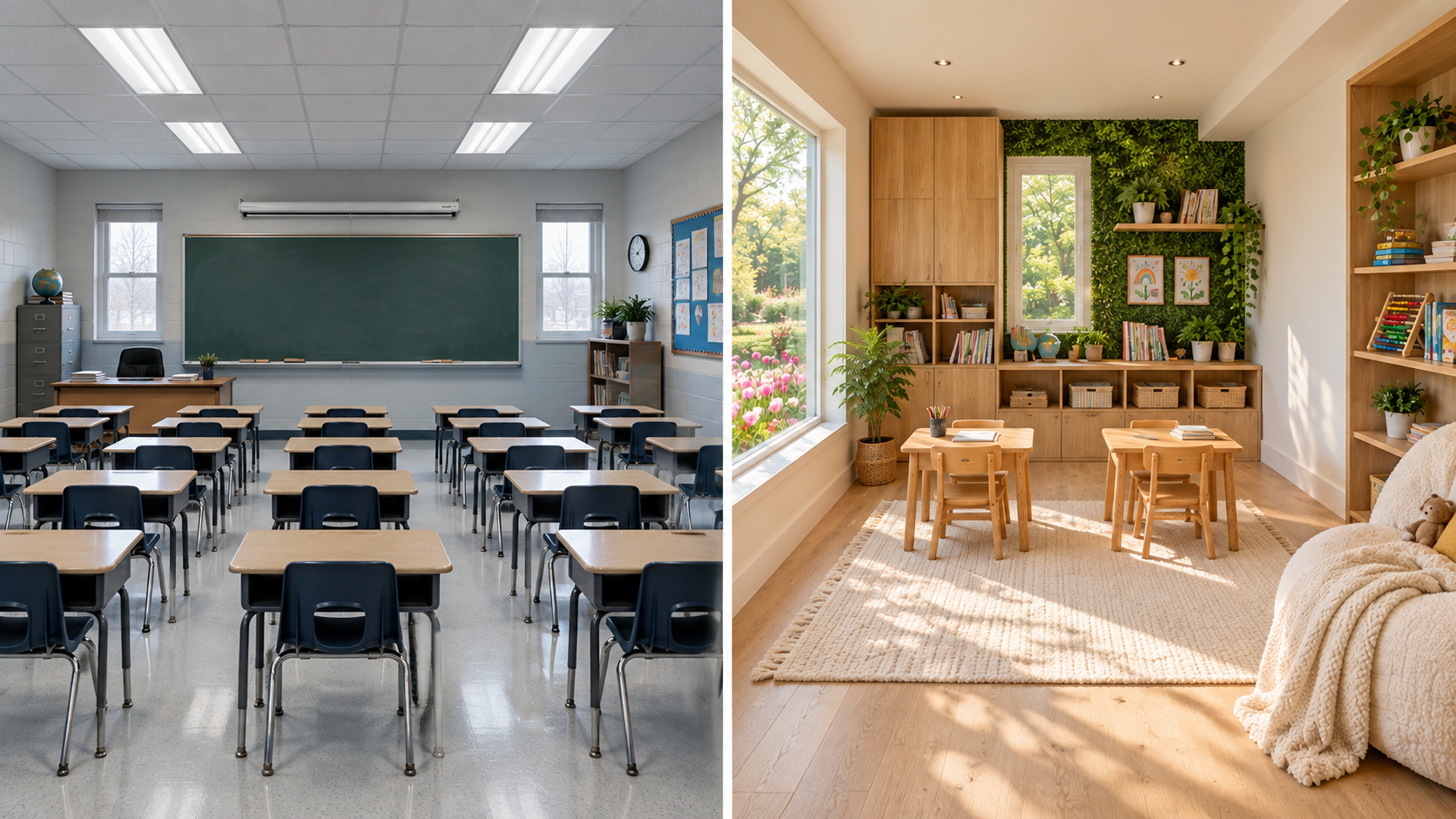
For two years that is exactly where we did this. Clear one end the night before, put the basket on your chair, and let the muffin tin be the only thing on the table when the boys sit down. A table with one clear thing on it does half the teaching for you. When we later built our own space, I wrote about what mattered most in designing your homeschool classroom, and the honest answer was: less than you think. If you would like company while you figure out your own rhythm, the members' forum has rooms by age, and someone is always up early with a muffin tin of her own.
Why I trust the small lessons
There are mornings when I wonder if ten minutes with cereal counts as school. Then I watch my three-year-old press one piece into each cup, so careful, so pleased, and I remember that God tends to hide big things inside small ones. Learning to number what is in front of us is a good place to start learning to be thankful for it.
Tomorrow, set the tin out, pour the bowl, and let their hands go first. The numbers will come. They always do when we are not rushing them.