
The lamp in the reading nook was on, the verse was chalked up beside the date, and my five-year-old was lining up five acorns on the shared table from smallest to biggest. We had not touched a pencil. We had not opened a worksheet. And it was, I think, the best part of the whole lesson.
For a long time I treated a worksheet like a finish line. Print it, sit down, do it, tuck it away, ten minutes and done. Then I noticed that the boys breezed through the page and could not tell me the next day what it had been about. So now one page gets three days, and nobody is bored, least of all me.
Why one page can carry three days
Little ones learn with their hands first, their mouths second and their pencils last. A worksheet is really just the pencil part. When we give it a day of touching and a day of talking too, the page stops being the whole lesson and becomes the place where the learning gets written down.
I am not a curriculum expert, and I do not pretend to be. This is simply what I have watched work in our own room with a 3 and a 5 year old. Take what helps and leave the rest.
The example: a pumpkin size sort
I will use the Pumpkin Size Sort cut and paste activity because it shows the pattern so plainly. It comes with a sorting page, five watercolor pumpkins in different sizes and a biggest to smallest ordering activity. That is already plenty for three days.
Day one: hands only, no paper
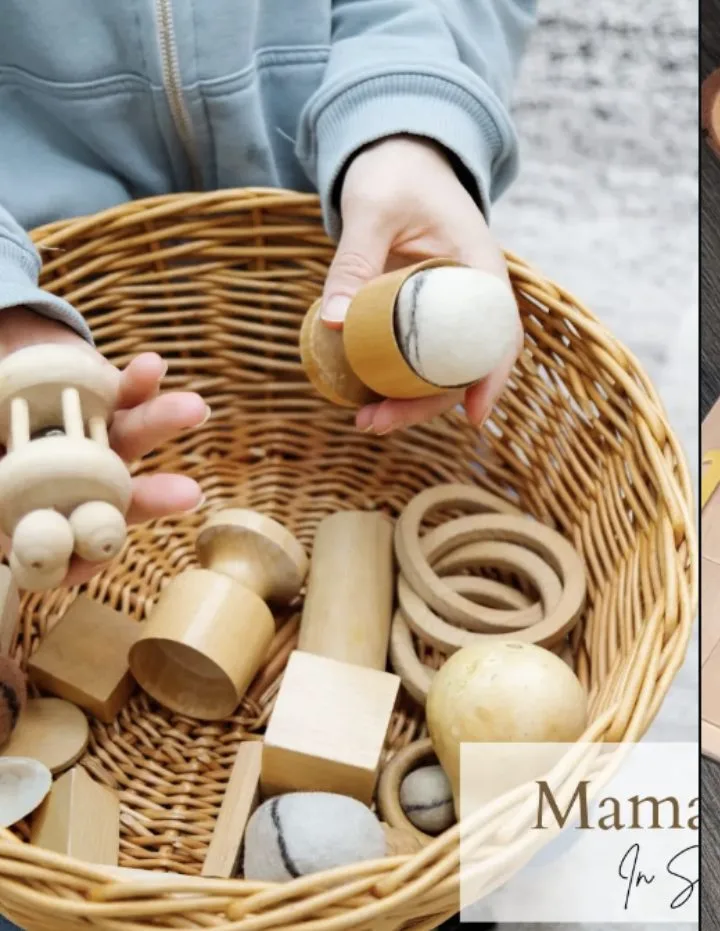
Before the worksheet comes out, we sort real things. I pull five objects from the nature shelf or one of the cubby baskets: acorns, stones, pinecones, small pumpkins if we have them. I set them in a messy pile and say, "Can you find me the biggest one?"
My three-year-old points and grins. My five-year-old lines all five up and tells me how he knows. Then I say the words slowly, big, bigger, biggest, small, smaller, smallest, and we move on. Five minutes, maybe seven. If you work at the kitchen table, as we did for two years, keep the objects in a basket and set it out the night before. That is the whole prep.
Day two: the page itself
Now the worksheet comes to the table. The pumpkins feel familiar because the acorns already taught the idea. My five-year-old cuts and pastes the pumpkins in order and I ask him to read me the line from smallest to biggest. My three-year-old gets the sorting page and a glue stick, and I count it a win if he gets two pumpkins in the right box.
Here is what I say when he puts one in the wrong spot: "Show me with your hand. Is this one bigger than this one?" Let him find the mistake himself. Nobody has to be corrected from above.
Day three: teach it back
This is the day I used to skip, and it is the one that matters most. We clip the finished page to the wall where the week's work hangs. Then I hand my five-year-old the chalk and ask him to be the teacher. He draws three circles on the chalkboard, small, middle and big, and shows his little brother which is which.
Explaining a thing to someone else is the surest way I know to find out whether it has landed. And a three-year-old who gets taught by his big brother will sit still for it far longer than he will for me.
Making it work for two ages at once
- Three-year-old: two or three objects, the words big and small, one pumpkin glued down.
- Five-year-old: all five objects, the ordering page, the words biggest and smallest said aloud, and the teacher job on day three.
Same page, same table, same story. We simply ask different things of each boy.
Other pages that stretch well
Almost anything with a theme can do this. With the Fall Colors leaves worksheet, day one is a walk to find red, yellow, orange and brown leaves, day two is coloring the four maple leaves and day three is matching your real leaves to the labels on the page. The Fall Leaf Stamping activity pack has three projects in it, a leaf tree, leaf animals and a leaf wreath, so one a day is already built in.
What this does for your morning
The real gift, for me, is the pace. When a worksheet only has to do a third of the work each day, I am not hurrying anyone toward the end of the page. I can watch my boys' faces. I can let a question wander. If you are still arranging a space that makes this feel natural, I wrote about designing your homeschool classroom, though a clear table and a basket are honestly enough.
It also stretches your budget. Every worksheet in the worksheet shop is $4.00, or $2.00 if you are a member, and joining is free, forever, with 50% off every page. Three days from one sheet means a single purchase can carry most of a week. If you want to talk it over with other mamas who are doing the same, the members' forum has a room for just that.
So tomorrow, try only day one. Put out five small things, say the words slowly and leave the paper in the folder. Nothing here is rushed, and I do not believe it is meant to be. As Deuteronomy says, we are to teach our children diligently, talking of these things as we sit in our house, as we walk by the way, as we lie down and as we rise. Diligently, not hurriedly. There is room in a day for a page to be loved three times over.