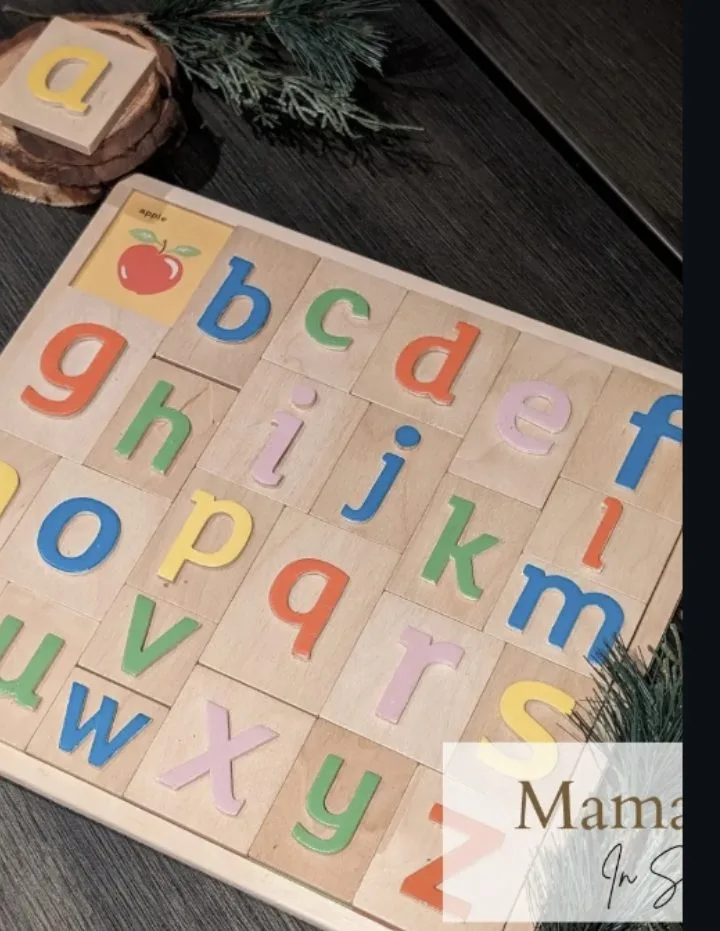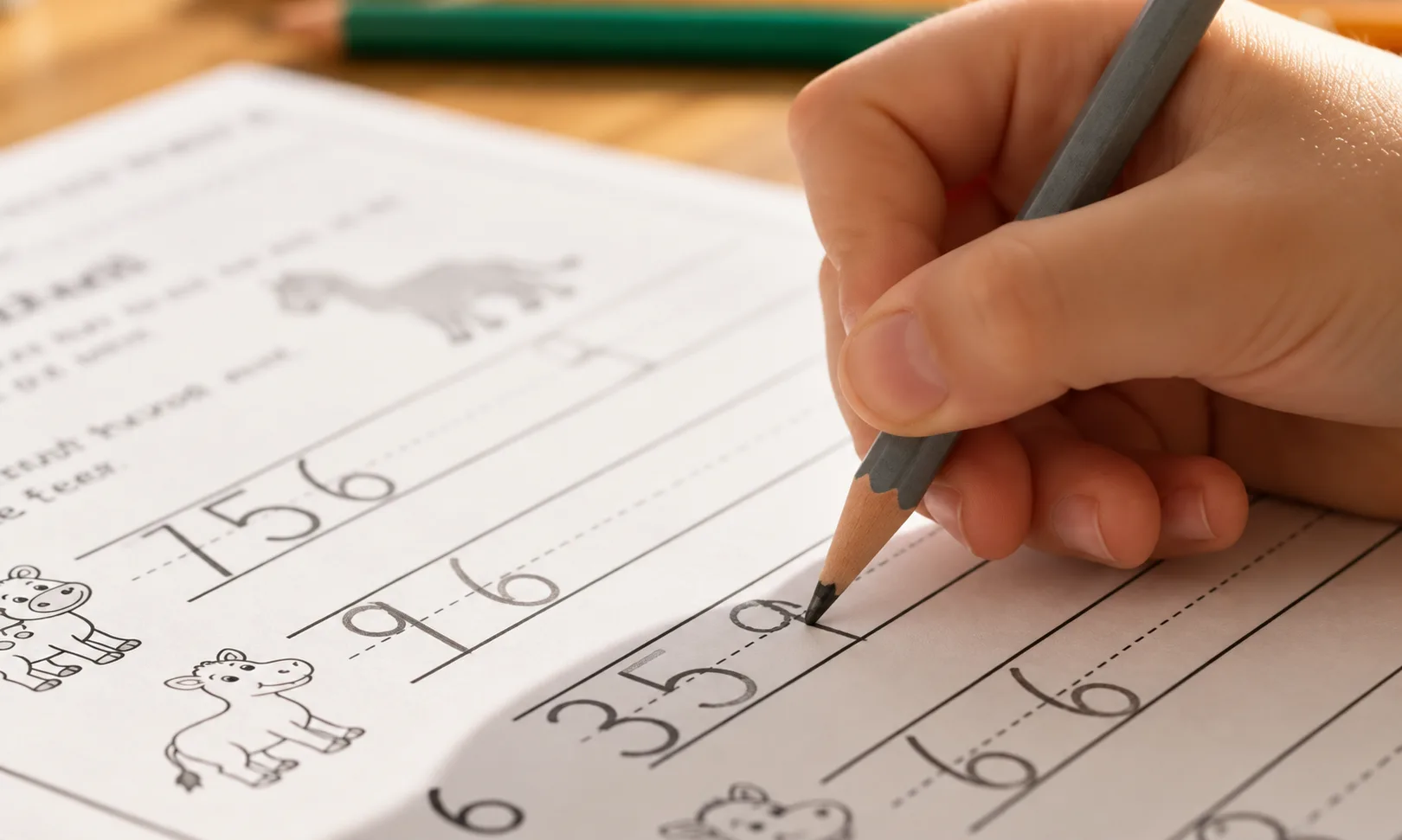

The candle was lit, the verse was on the chalkboard, and my three-year-old climbed onto his stool at the big table and asked, "What do I get to do?" That question is the whole secret, and it took me a long time to hear it. He does not need to be made to sit. He needs something worth sitting for.
I get asked about this more than almost anything else: how do you hold a three-year-old's attention at the table? I am not a child development expert, and I will not pretend to be. I am a mama who has sat beside one three-year-old now, and what follows is what has worked in our room. Take what fits.
Start with ten minutes, not thirty
For a long time I measured our table time against what my five-year-old could do, and my younger son always came up short. That was my expectation being the problem, not his heart. Now I plan ten minutes for him and I call it a full lesson, because it is.
Ten minutes of his whole attention, with me beside him, is worth more than thirty minutes of sitting still while he drifts. When it ends well, he wants to come back tomorrow. That is the thing I am really after.
Give him one thing at a time
A table covered in options is a lot for small eyes. I put one task in front of him, and everything else stays in the cubbies until it is needed. If you are working at the kitchen table, clear one end the night before and set out only that one thing. We did exactly this for two years, and it worked then just as it does now.
Choose something the hands can do. A three-year-old thinks with his fingers. Some of our best ten minutes have been:
- Stamping leaves with paint, as in the Fall Leaf Stamping Printable Activity Pack, where the leaf tree and leaf wreath give him a clear place to press.
- Sorting by size, which is what the Pumpkin Size Sort cut and paste activity asks for, with a glue stick and a little pile of pumpkins.
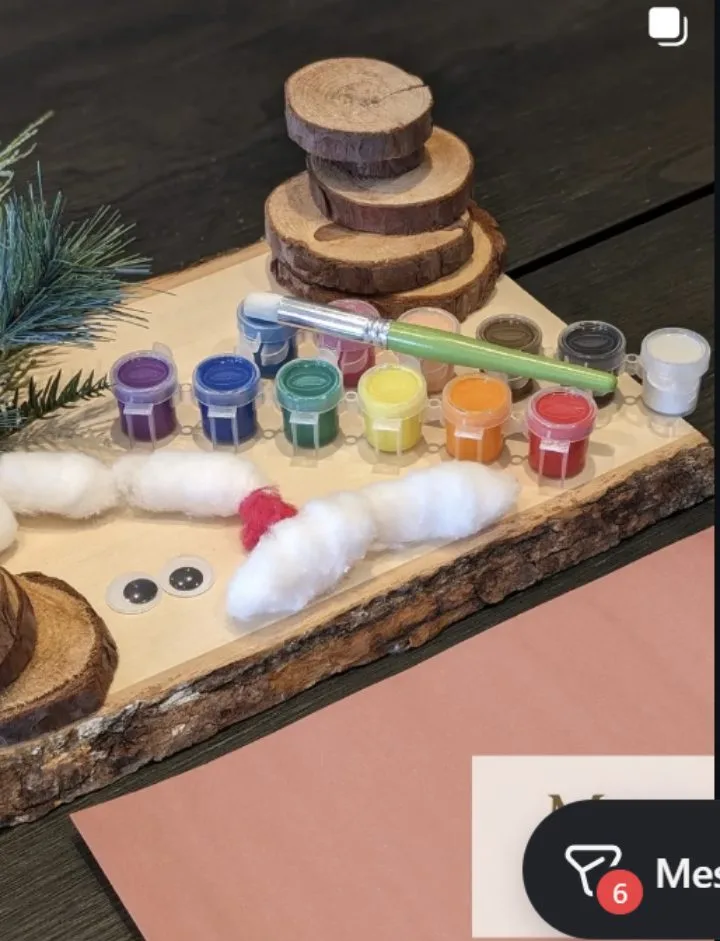
- Gluing cotton balls onto a ghost, which is a simple craft that has a beginning, a middle and a very satisfying end.
- Coloring four maple leaves red, yellow, orange and brown on the Fall Colors leaves worksheet, while we say the color names out loud.
Say what is going to happen
Three-year-olds do well when they can see the shape of the thing. Before we begin, I crouch down and say it plainly:
"We are going to stamp three leaves. When the third one is done, you can pick a book for the nook."
That is the whole script. It names the work, it has a number he can count, and it tells him what comes after. He can watch the end coming, and that makes the middle easier to stay in.
Sit beside him for the first few minutes
I used to set him up and then turn to his brother. He would last about ninety seconds. Now I sit next to him for the opening stretch and do the first leaf with him. My attention is the most interesting thing at that table, and he knows it.
Once he is happily going, I lean back a little. Then I can help his brother with a page of letters while keeping one hand on the rhythm of the morning. Some days he needs me longer, and that is fine. I am not behind. He is three.
Let his body move first
On mornings when he is wiggly, I do not fight it. We carry the heavy basket of books to the nook, or we stretch up to the chalkboard and trace the first letter of the verse in the air. A minute of moving makes the next ten minutes sweeter. If you want ideas for how a room can hold both the wiggles and the quiet, designing your homeschool classroom walks through how I arranged ours.
End before he is finished with you
This is the one I wish I had learned sooner. I stop while he still wants a little more. If he is happily stamping when the three leaves are done, we are done, and I say so warmly: "That was lovely work. Let's hang it up." Then his page goes on the wall where we clip the week's work, and he stands and looks at it.
Ending on a good note builds the habit better than any reward chart could. The table becomes a place he is glad to return to.
What I do when it is not working
Some mornings he is simply done at minute four. I used to take it personally. Now I thank him for the work he did, put the rest in his cubby, and we try again after lunch or tomorrow. That is not failing. That is knowing my son.
If you would like company in this, joining free gives you 25 printables, including the weekly rhythm chart and morning basket guide, and a seat in the members' forum, where there is a room for the hard days. When you want more table-ready pages for little hands, the worksheet shop has them for ages 2 through 7, and members pay half price.
Jesus did not hurry the little ones away. He gathered them in, and I want my table to feel the same way: "Let the little children come to me, and do not hinder them, for to such belongs the kingdom of God."