
The candle was lit, the verse was on the chalkboard, and my three-year-old was choosing a picture book from the basket in the reading nook while his big brother finished his oatmeal. Nothing about that morning looked like school. It was, and it is what I would hand you first if you told me you had never taught anyone anything and had a preschooler looking up at you.
I am not a curriculum expert. I am a mother of two boys, aged 3 and 5, who decided to teach them at home. So let me tell you where I would start if I were sitting beside you, and it is smaller than you think.
Preschool is not a smaller version of school
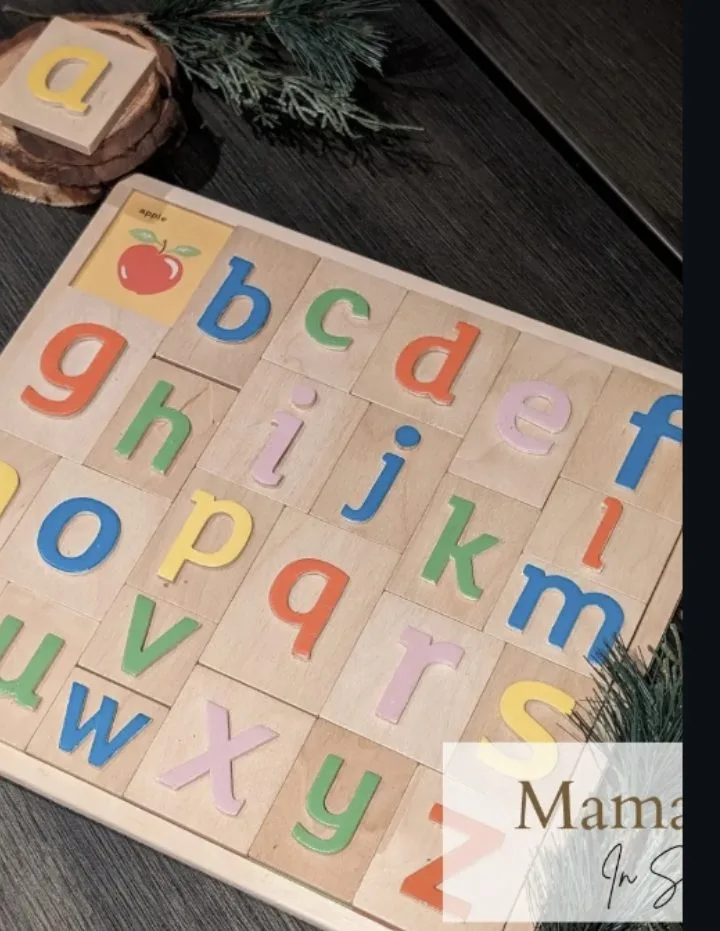
A three or four-year-old does not need a schedule, a grade book or a long lesson. What they need is you, a predictable rhythm, and a few good things put in their hands. Counting, letter sounds, listening to a story, learning to hold a pencil, noticing a leaf: all of it counts, and all of it can happen in twenty minutes.
If you want the bigger picture of why this is worth doing, I wrote it out on the why we homeschool page and FAQ. For today, hold on to this: you are not behind. You are beginning.
Choose one place and make it ready the night before
For our first two years, we did all of it at the kitchen table. I take a table seriously because it was a real classroom for us. If you are working at the kitchen table, clear one end the night before, set a small basket there with pencils, crayons and one book, and leave it. That ready spot does half the teaching for you, because your child walks up and knows what happens here.
We have a classroom now, with a shared table at counter height and open cubbies of woven baskets, and I walk through how I set it up on the classroom design page. But the principle is the same at any table: one place, one basket, ready before anyone wakes.
The first week, one small thing a day
Keep each day to about twenty minutes. Stop while your child still wants more. That is not cutting corners, that is how you get a Tuesday.
- Monday, verse and a story. Write a short verse on paper or a chalkboard, read it aloud twice, and read one picture book together. That is the whole day.
- Tuesday, count real things. Line up spoons, blocks or crackers and count them together, touching each one. Ask, "Can you give me one?" Then, "Can you give me two?"
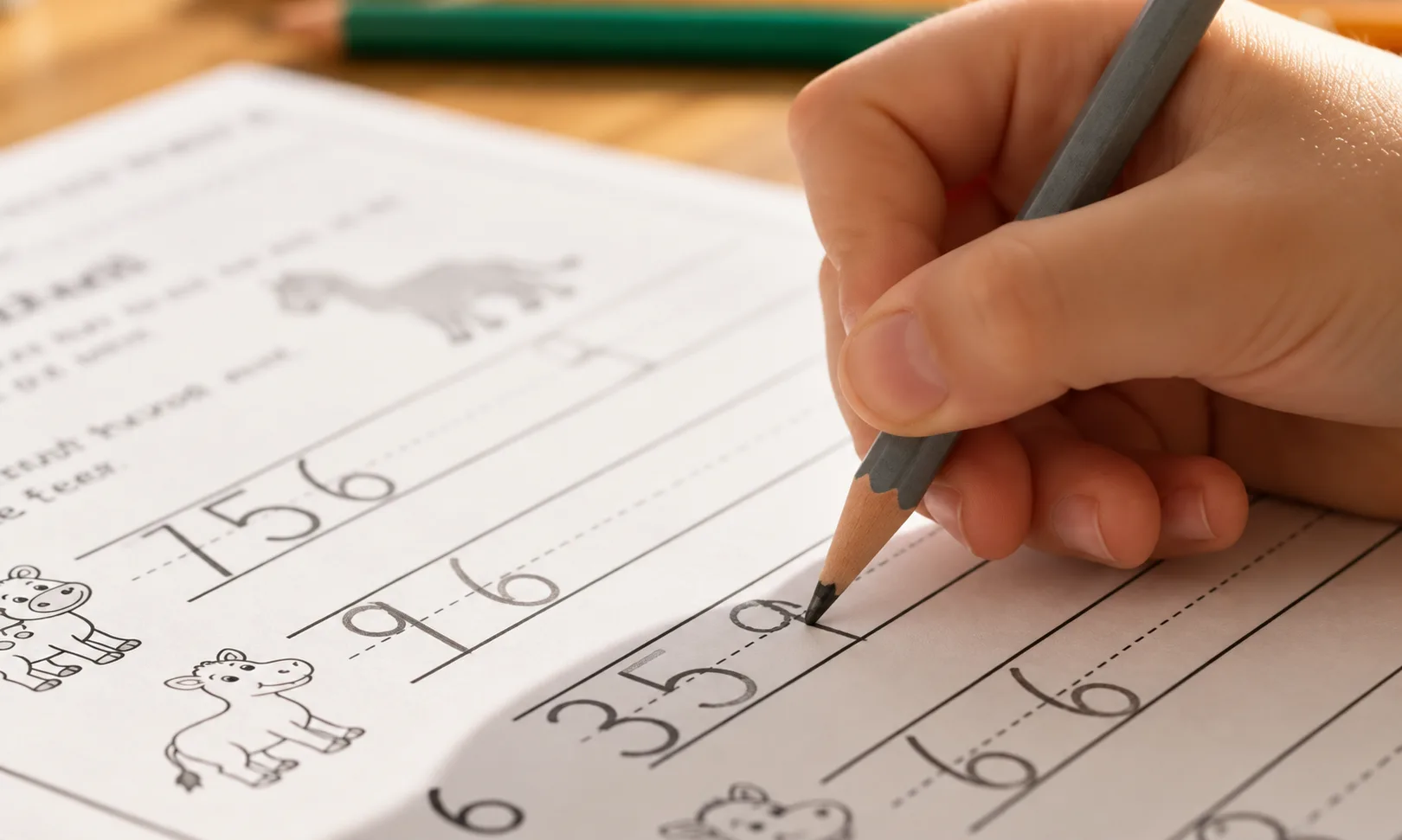
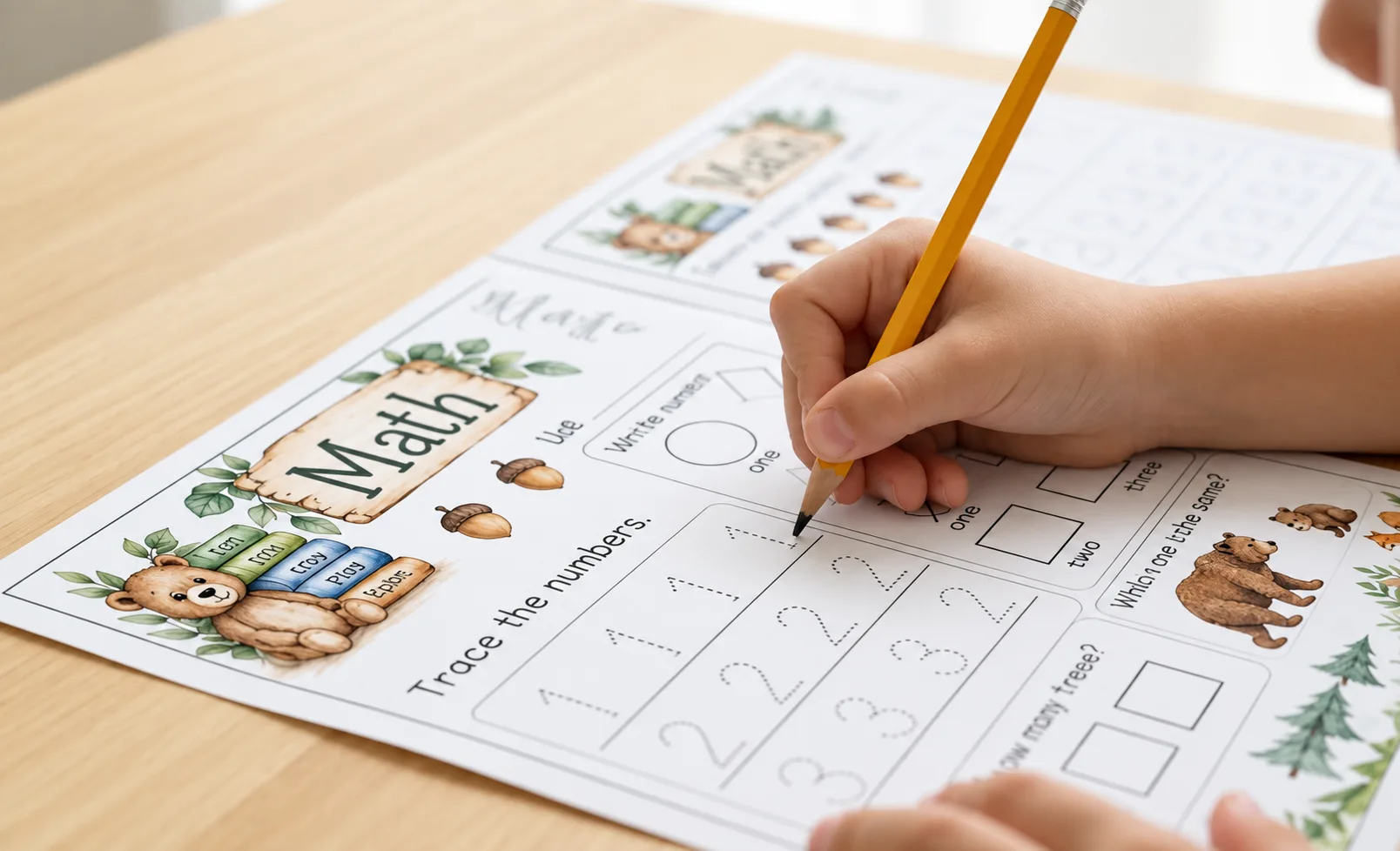
- Wednesday, a number on paper. Try the Number 1 week of preschool math. There is a find-and-circle page, a sun to color and number tracing, all gentle for small hands.
- Thursday, outside. Take a basket on a short walk and collect three things. Back at the table, sort them and talk about what you found.
- Friday, return to the favorite. Let your child choose what to repeat. Whatever they pick tells you what is working.
When you are ready for more, the Let's Count to 2 week is the natural next step, and you can browse everything else in the worksheet shop. Worksheets are $4.00 each, or $2.00 for members, and they are print-at-home PDFs on US letter paper.
What to say when they will not sit
They will not always sit. That is a three-year-old, not a failure of yours. Here is what I say, in a quiet voice, and I say it without any edge: "We are going to do one little job together, and then you can get up." Then I do one job, one page or one count, and I let him go with a smile.
The next morning he sits a little longer. I did not expect that the first time, and I still enjoy it every time it happens.
Let the rhythm hold you
You do not have to invent a rhythm from nothing. Members can download the weekly rhythm chart and the morning basket guide free, along with a nature-walk basket list, as part of 32 free printables. Joining is free, forever, and it also gives you 50% off every worksheet. Inside is a moderated forum with rooms by age, by season and for the hard days, and I would encourage you to use the members' forum when you need another mama to say "me too."
The practical things, briefly
State requirements vary, and I am not a lawyer, so please check what applies where you live. I keep a list of state law links and the curriculum we trust on the resources page. If you want to know who is writing all this, you can read more about me here.
He is gentle with the little ones
On the mornings when I wonder whether I am enough for this, I remember that God does not ask me to be a professional. He asks me to be faithful and near. The picture of him gathering the lambs in his arms is the one I want my own teaching to look like: close, patient and unhurried. Light the candle, write the verse, pick up the book, and begin.
He will tend his flock like a shepherd; he will gather the lambs in his arms; he will carry them in his bosom, and gently lead those who are with young. (Isaiah 40:11)